
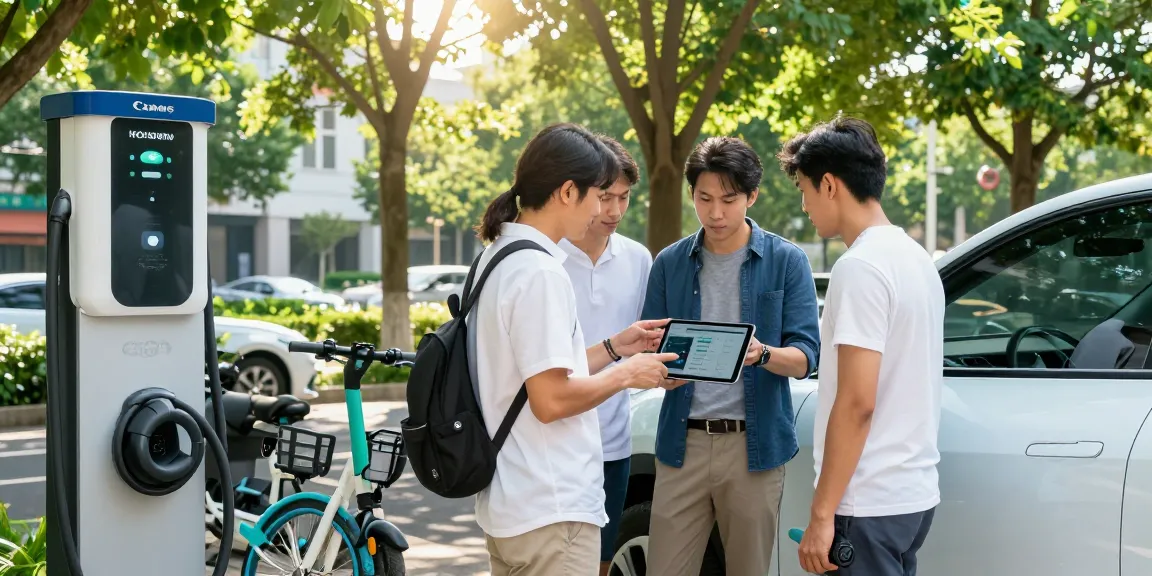
Understanding EV Technology
Electric vehicles (EVs) are revolutionizing the automotive industry, offering a cleaner and more sustainable alternative to conventional gasoline-powered cars. As the world increasingly turns its attention to environmental issues, innovations in EV technology have taken center stage. This article will explore the ins and outs of EV technology, current trends, the challenges it faces, and predictions for its future in 2026.
What is EV Technology?
At its core, EV technology refers to the methodologies and components that enable vehicles to operate using electric power. Rather than relying on an internal combustion engine (ICE), electric vehicles utilize electric motors powered by batteries or fuel cells. This fundamental shift not only reduces emissions but also enhances energy efficiency, making EVs an attractive option for environmentally conscious consumers.
Types of Electric Vehicles Explained
There are several distinct types of electric vehicles, each with unique capabilities and design philosophies:
- Battery Electric Vehicles (BEVs): These vehicles are powered completely by electricity stored in batteries. They produce zero emissions during operation and typically offer longer ranges than their hybrid counterparts.
- Plug-in Hybrid Electric Vehicles (PHEVs): PHEVs combine a conventional gasoline engine with an electric motor. They can be charged via standard electrical outlets and can operate on electric power alone for shorter distances.
- Hybrid Electric Vehicles (HEVs): Similar to PHEVs, HEVs use both an internal combustion engine and an electric motor. However, they cannot be charged from an external source, relying instead on regenerative braking and the internal combustion engine to recharge the battery.
- Fuel Cell Electric Vehicles (FCEVs): FCEVs generate electricity through a chemical reaction between hydrogen and oxygen, producing only water vapor as a byproduct. These vehicles typically offer greater range and faster refueling times compared to BEVs.
How EV Technology Works
EV technology encompasses several components and systems working in harmony. The primary elements include the electric motor, battery pack, power inverter, and charging system. The electric motor converts electrical energy into mechanical motion, allowing the vehicle to move. The battery pack stores the energy required for operation, while the power inverter transforms the battery’s direct current (DC) into alternating current (AC) for the motor. Charging systems are critical for replenishing battery energy, with options ranging from home chargers to public fast-charging stations.
Current Trends in EV Technology
The EV technology landscape is rapidly evolving, driven by advancements in battery technology, infrastructure development, and consumer demand for sustainable solutions.
Advancements in Battery Technology
Battery technology is a primary focus within the EV sector. Continuous improvements are being made to increase energy density, reduce charging times, and enhance lifecycle longevity. Manufacturers are experimenting with various chemistries, including lithium-ion, lithium iron phosphate, and even emerging solid-state solutions, to create more efficient battery systems.
The Rise of Solid-State Batteries
Solid-state batteries represent a significant breakthrough in EV technology. Unlike traditional lithium-ion batteries that use liquid electrolytes, solid-state batteries utilize solid electrolytes, resulting in higher energy density and improved safety. As manufacturers ramp up research and development efforts, solid-state batteries are anticipated to play a pivotal role in the future of electric vehicles, potentially increasing ranges while decreasing charging times.
Smart Charging Solutions and Infrastructure
With the increasing adoption of electric vehicles, the demand for robust charging infrastructures is more crucial than ever. Smart charging solutions, including fast-charging stations and wireless charging technologies, are becoming more prevalent. These solutions not only reduce charging times but also help manage energy consumption, optimize grid loads, and promote the use of renewable energy sources.
Challenges Facing EV Adoption
Despite the numerous advancements in EV technology, several challenges continue to hinder widespread adoption. Understanding these barriers is essential for stakeholders aiming to foster growth in the EV sector.
High Costs and Consumer Concerns
The initial purchase price of electric vehicles is often higher than that of traditional gasoline vehicles, which can deter many consumers. Although the total cost of ownership can be lower over time due to reduced fuel and maintenance expenses, the up-front costs remain a significant barrier for potential buyers.
Charging Infrastructure Limitations
Though charging infrastructure is expanding, it remains a concern for many prospective EV buyers. The lack of charging stations, particularly in rural and suburban areas, can create anxiety over potential range limitations. Expanding and improving this infrastructure will be critical as EV adoption continues to grow.
Environmental Impact Considerations
While EVs contribute to reduced tailpipe emissions, there are environmental concerns associated with battery production and disposal. The extraction of raw materials (like lithium, cobalt, and nickel) can have adverse environmental impacts. As the industry evolves, the focus will be on developing sustainable sourcing practices and effective recycling methods to minimize the overall ecological footprint of electric vehicles.
Future Predictions for EV Technology
Looking ahead, several trends and developments are poised to shape the future of EV technology.
Emerging Technologies to Watch
In 2026 and beyond, we can expect advancements in technologies such as vehicle-to-grid (V2G) systems, which enable EVs to return energy to the grid during peak demand. This could enhance the overall stability of the electricity network while providing additional income for EV owners.
Government Regulations and Incentives
Governments worldwide are implementing stricter regulations on vehicle emissions and offering incentives for EV purchases. These policies support the transition towards electric mobility and are expected to become increasingly rigorous, pushing manufacturers to innovate constantly.
The Role of AI in EV Development
Artificial intelligence (AI) is set to play an essential role in the future of EV technology. From optimizing battery management systems to enhancing autonomous driving capabilities, AI advancements will likely enhance vehicle performance and safety, paving the way for a more integrated and efficient electric vehicle ecosystem.
Real-World Applications of EV Technology
The practical applications of EV technology are becoming more evident, with successful implementations across various industries.
Case Studies of Successful EV Implementations
Companies around the globe are leading the way in adopting electric vehicles. For instance, fleet operators are increasingly converting their delivery vehicles to electric, reducing their carbon footprint and operational costs. Notable examples include major logistics companies that have begun integrating electric vans into their fleets, showcasing the potential for significant emissions reductions.
Impact on Urban Mobility and Infrastructure
As cities strive to reduce congestion and pollution, embracing electric vehicles is critical. Urban planners are integrating EV-friendly measures into city designs, such as dedicated charging zones and incentives for EV use, to promote sustainable mobility solutions.
Consumer Experience and Market Trends
Consumer preferences for electric vehicles are shifting as awareness of their benefits spreads. As more automakers invest in EV technology and expand their electric offerings, consumers have a wider range of choices. Market trends indicate that electric vehicles are becoming increasingly mainstream, with growing interest in both personal and commercial applications.
What are the four types of EV?
As highlighted previously, the four main types of electric vehicles are Battery Electric Vehicles (BEVs), Plug-in Hybrid Electric Vehicles (PHEVs), Hybrid Electric Vehicles (HEVs), and Fuel Cell Electric Vehicles (FCEVs), each serving different market segments and consumer needs.
What is the latest technology in EV?
The latest advancements in EV technology primarily revolve around solid-state batteries, smart charging solutions, and the integration of AI in vehicle systems to enhance performance and user experience.
What are the biggest challenges facing EV technology?
The primary challenges include high costs, limited charging infrastructure, and environmental concerns related to battery production and disposal, which must be addressed to encourage broader adoption.
How is EV technology evolving in 2026?
In 2026, advancements in battery technology, the expansion of charging infrastructure, and the integration of AI and other emerging technologies are expected to enhance EV performance, sustainability, and consumer acceptance.
What are the benefits of electric vehicles?
Electric vehicles offer numerous benefits, including lower emissions, reduced fuel costs, minimal maintenance requirements, and a quieter driving experience. Moreover, as technology progresses, the growing infrastructure supporting EV use will likely enhance their appeal and accessibility for consumers across various markets.


